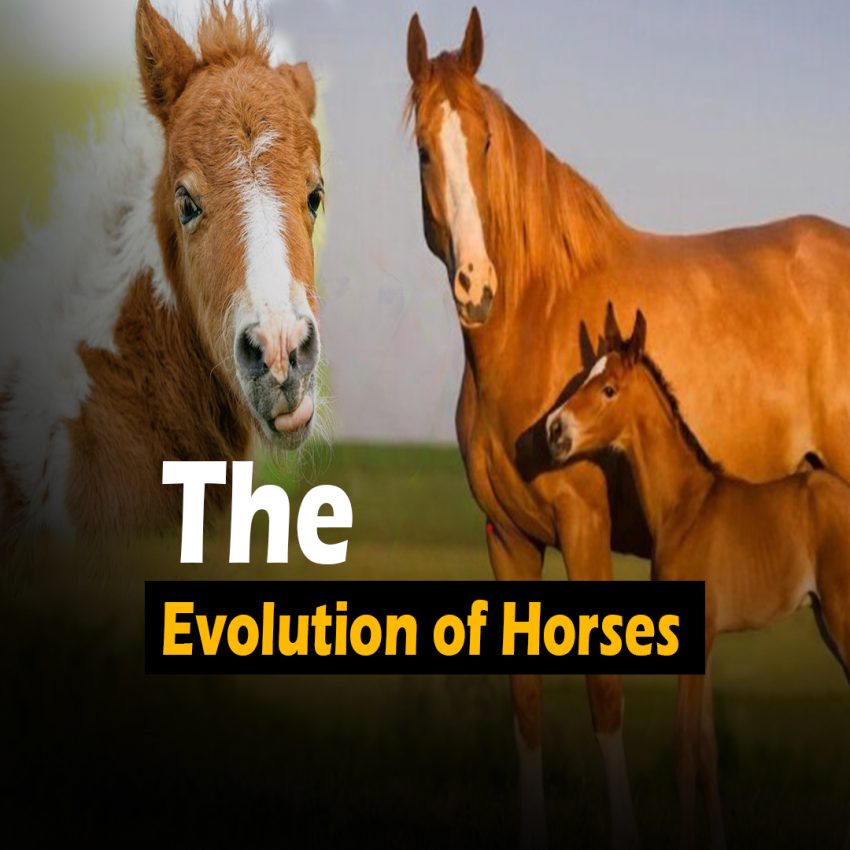
Horses have undergone a remarkable evolutionary journey over millions of years. Scientists believe that the earliest ancestor of the modern horse appeared about 55 million years ago. This small animal, known as Eohippus (or Hyracotherium), was about the size of a fox and lived in forests. It had several toes on each foot, which helped it move across soft ground.
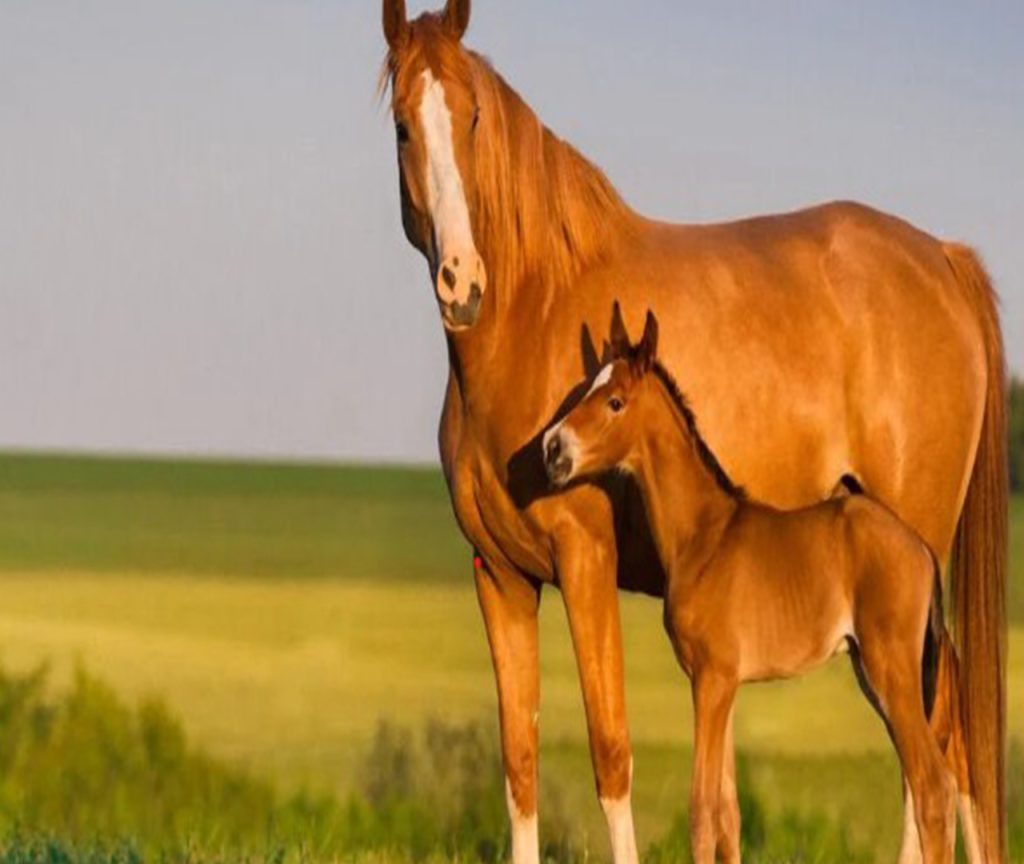
As the Earth’s climate changed, forests gradually gave way to grasslands. To adapt to this new environment, horse ancestors evolved larger bodies and longer legs, enabling them to run faster and escape predators. Their feet also changed significantly. Over time, the multiple toes were reduced until only one large toe remained, forming the hoof seen in modern horses.
Another important adaptation involved their teeth. Early horses ate soft leaves, but as grasslands expanded, they began feeding on tougher grasses. As a result, their teeth became larger and stronger, allowing them to grind and digest this new food source more effectively.

Several intermediate species appeared during this evolutionary process, including Mesohippus, Merychippus, and Pliohippus. Each species displayed characteristics that were increasingly similar to those of modern horses. Eventually, around 4 million years ago, the genus Equus emerged. This genus includes today’s horses, donkeys, and zebras.
The evolution of horses is one of the best-documented examples of evolution in the fossil record. Fossils discovered around the world provide clear evidence of how horses gradually adapted to changing environments over millions of years. Today, modern horses are the result of a long process of natural selection and adaptation.
In conclusion, horses evolved from small, forest-dwelling animals into the large, fast-running animals we know today. Their evolution demonstrates how living organisms can change over time in response to environmental challenges and opportunities.